






Why Every Small Business Website Is the Key to Growth in 2026
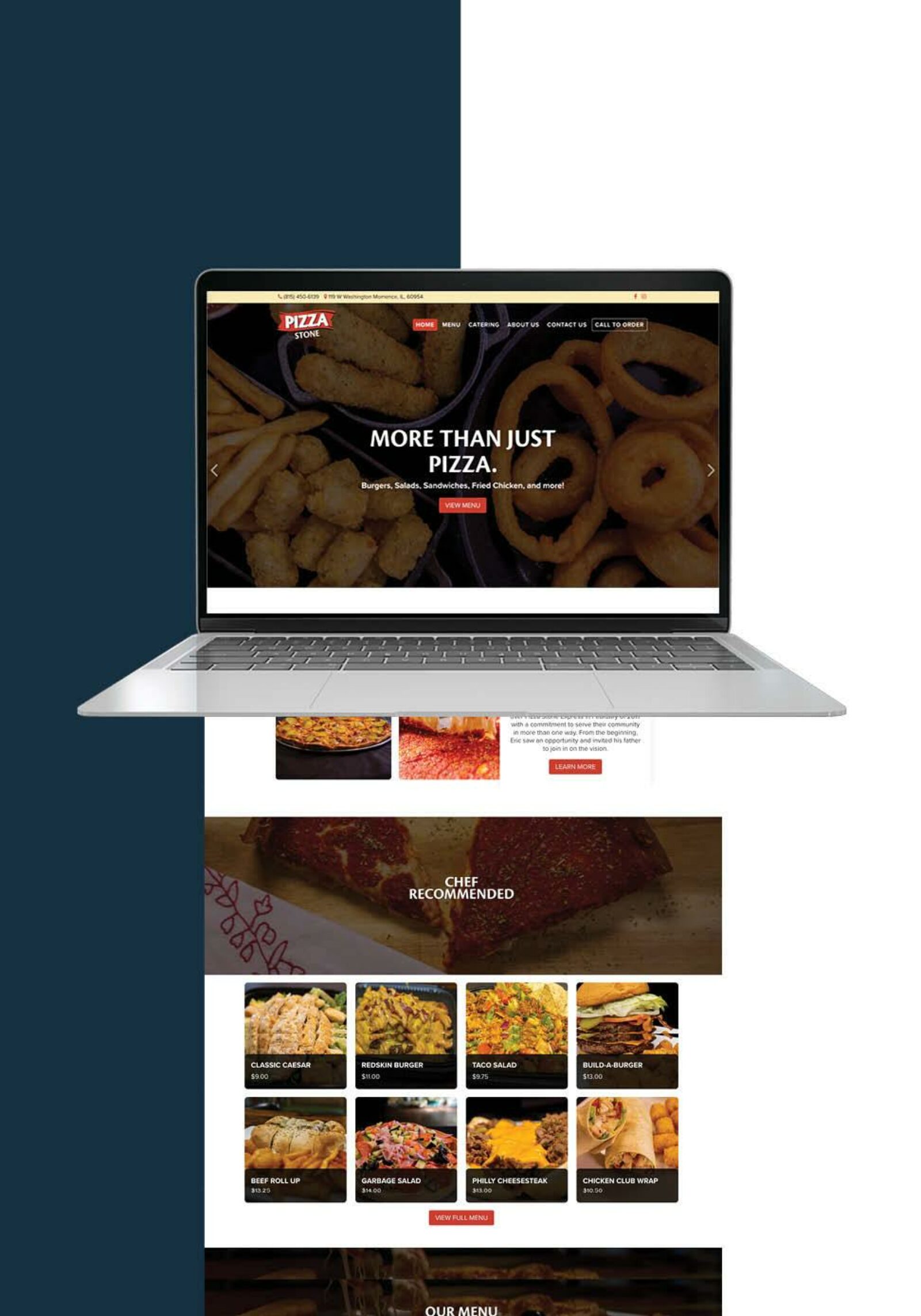
A small business website is no longer optional—it’s one of the most powerful tools you have to attract customers, build trust, and grow revenue. Whether you run a local shop, offer professional services, or sell online, your website is often the first impression people have of your business.
In this guide, you’ll learn why a small business website matters, what it must include, and how to make it work as a 24/7 marketing engine.
- What Is a Small Business Website?
- Why a Small Business Website Is Essential
- Key Features Every Small Business Website Needs
- Common Small Business Website Mistakes to Avoid
- How a Small Business Website Helps You Compete With Larger Brands
- How Often Should You Update Your Website?
- Final Thoughts: Your Small Business Website Is an Investment
What Is a Small Business Website?
A small business website is a professional online presence designed to showcase your products or services, communicate your value, and help customers take action—such as calling, booking, or purchasing.
Your website should focus on:
- Clear messaging
- Simple navigation
- Strong local or niche visibility
- Conversions over complexity
Why a Small Business Website Is Essential
1. Customers Expect It
Over 80% of consumers search online before making a purchase. If your business doesn’t have a website—or has an outdated one—you risk losing credibility instantly.
A modern website tells visitors:
- You’re legitimate
- You’re open for business
- You care about professionalism
2. You Control Your Online Presence
Social media platforms change algorithms. Marketplaces raise fees. A website is the one digital asset you fully own.
With your own website, you control:
- Branding
- Content
- Customer experience
- Lead generation
3. It Drives Local and Organic Traffic
A well-optimized website helps customers find you through Google search—especially for local queries like:
- “…near me”
- “best _____ examples”
- “affordable ______”
Search engine visibility = free, high-intent traffic.
Key Features Every Small Business Website Needs
Clear Homepage Messaging
Your homepage should answer three questions immediately:
- What do you offer?
- Who is it for?
- Why should someone choose you?
Avoid vague slogans. Be specific and benefit-driven.
Mobile-Friendly Design
More than half of website traffic comes from mobile devices. Google also prioritizes mobile usability in rankings.
A strong small business website:
- Loads fast
- Is easy to read on phones
- Has clickable buttons and forms
Strong Calls to Action (CTAs)
Tell visitors what to do next:
- “Get a Free Quote”
- “Book a Consultation”
- “Call Now”
- “Shop Online”
Without clear CTAs, even great traffic won’t convert.
Search Engine Optimization (SEO)
SEO helps your small business website appear in search results when customers are actively looking for what you offer.
Basic SEO essentials include:
- Using the keywords naturally in content
- Optimized page titles and meta descriptions
- Fast page speed
- Internal linking
- Local SEO (Google Business Profile, location pages)
Trust Signals
People buy from businesses they trust. Add:
- Customer testimonials
- Reviews
- Case studies
- Certifications
- Clear contact information
These elements dramatically increase conversions.
Common Small Business Website Mistakes to Avoid
❌ Using Generic Templates Without Customization
Templates are fine—but only if customized. Your website should reflect your brand, not look like hundreds of others.
❌ Ignoring SEO
A beautiful small business website that no one can find won’t generate results. SEO must be built in from the start, not added later.
❌ Slow Load Times
If your site takes more than a few seconds to load, visitors will leave—and Google will notice.
❌ No Clear Goal
Every page should serve a purpose: inform, convert, or guide. A website without a strategy is just an online brochure.
How a Small Business Website Helps You Compete With Larger Brands
You don’t need a massive budget to compete online.
A focused small business website can outperform larger competitors by:
- Targeting specific niches
- Ranking locally
- Offering personalized messaging
- Building stronger customer relationships
Smart strategy beats size every time.
How Often Should You Update Your Website?
At a minimum:
- Review content every 6–12 months
- Update services, pricing, and testimonials as needed
- Add blog content to support SEO
- Ensure security and software updates are current
An active website signals trust—to both users and search engines.
Final Thoughts: Your Small Business Website Is an Investment
A small business website isn’t just an expense—it’s an investment that works for you around the clock.
When done right, it can:
- Attract new customers
- Increase sales
- Build long-term brand credibility
- Reduce reliance on paid ads
If your website isn’t actively helping your business grow, it’s time to rethink your approach.
Ready to Improve Your Website?
Whether you’re launching a new site or upgrading an existing one, focus on clarity, speed, SEO, and conversions—and your website will become one of your most valuable business assets.